
When Clean Water Feels Like a Gift: A Real Talk About Treatment, Trust, and Taps
Some things in life you just expect to work — the fridge hums, the lights flick on, and when you twist that faucet, clean water flows like magic. But here’s a question we don’t ask nearly enough: what’s really in that water?
You might think, “Well, it’s treated, it’s from the city, it should be fine.” And maybe it is. But “fine” is doing a lot of heavy lifting these days. Because the difference between water that’s legally acceptable and water that’s truly good for your body, your home, and your peace of mind — that’s a whole conversation.
So, let’s have it.
More Than Just H2O: Why Water Quality Hits Home
It sneaks up on you. That faint chlorine smell. The spots on your dishes. Skin that’s a little itchier than it used to be. Hair that just won’t rinse clean. These aren’t random — they’re signs. Water, even when treated by your local municipality, can carry a lot of baggage by the time it reaches your house.
Here’s the truth: what flows from your tap is influenced by everything from infrastructure age to seasonal runoff to industrial activity upstream. That’s why more and more homeowners aren’t leaving it up to chance — they’re taking matters into their own hands with smart, sustainable, and local solutions.
And few names have started resonating with people who care about their water like Infinity Water Solutions. Not just for the tech they use, but for the trust they’ve built around something so basic — yet so vital.
The Local Angle: Saskatoon’s Relationship With Its Water
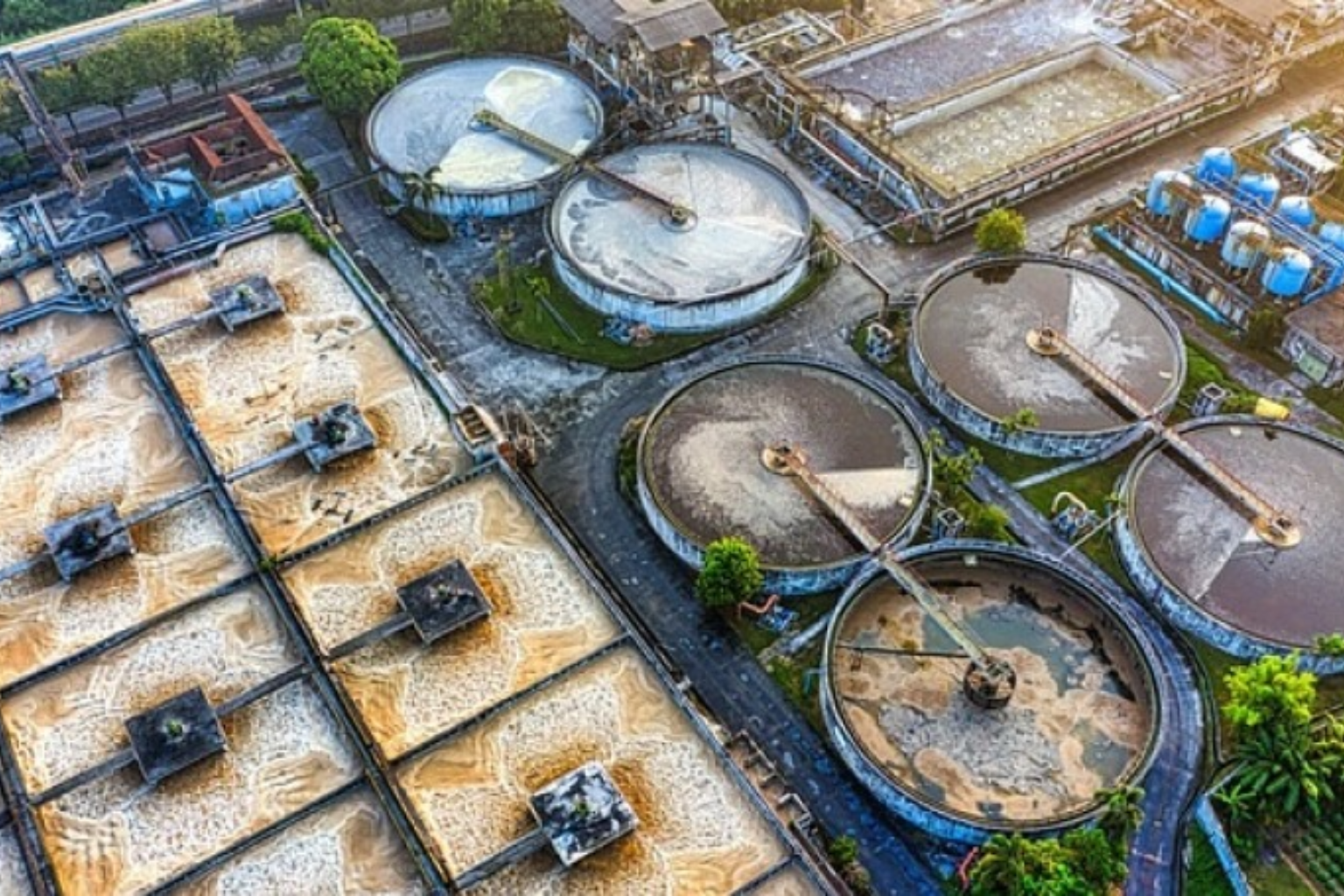
If you’ve spent any time in or around Saskatoon, you probably already know — the city’s water treatment game is solid. The Saskatoon water treatment plant is a key part of the region’s infrastructure, keeping things moving with high-tech filtration, disinfection, and monitoring.
But even so, no plant is perfect, and no system can promise perfection at the point of use. Between the treatment center and your tap are miles of pipes, environmental factors, and aging fixtures. And depending on your neighborhood, your home’s plumbing, or even your local soil composition, what starts as clean water might not stay that way for long.
That’s why a growing number of residents aren’t just relying on the public system — they’re looking for that extra layer of protection.
A Quiet Revolution in Personal Water Health
It’s not a flashy topic. Nobody brags about their water softener over brunch. But quietly, steadily, people are tuning into what’s going into their bodies, their showers, their coffee machines. Water, once taken for granted, is finally being treated with the respect it deserves.
And that’s where things get interesting. Because it’s no longer just about reverse osmosis or carbon filters — it’s about customization. It’s about finding a solution that matches your home’s unique water signature.
Places like the Water Clinic Saskatoon are making that easier than ever. Whether you’re dealing with hard water, iron staining, a weird smell, or just want cleaner-tasting tea, they’ve built their reputation on helping people decode their water and act accordingly.
It’s not about selling equipment. It’s about education. About empowerment.
Real Problems, Real Solutions — Without the Fluff
Let’s talk about limescale. Not sexy, I know. But it’s wrecking your appliances. That crusty buildup in your kettle? That’s calcium. And it’s not just inconvenient — it costs you money. Over time, hard water reduces the efficiency of dishwashers, water heaters, washing machines. Your energy bills climb. Your repair guy becomes a regular.
Now multiply that across an entire neighborhood. Or a school. Or a medical clinic.
Water quality isn’t just a personal health issue — it’s an infrastructure issue. One that smart homeowners, businesses, and even municipalities are learning to get ahead of.
Technology With a Human Touch
What makes this whole movement so powerful is how personal it’s becoming. No more “one-size-fits-all” filters. Today’s systems analyze your water in real-time. They adjust. They adapt. They learn.
It’s a weirdly beautiful marriage of tech and humanity — and it’s happening in basements, under sinks, and behind walls all across the country.
More than that, it’s about a mindset shift: water quality isn’t a rich person’s problem anymore. You don’t need to be building a mansion to care about your kids drinking clean, mineral-balanced water. With modern leasing programs, monthly service models, and more accessible pricing, treating your water is starting to feel like paying for Netflix — just way more useful.
Looking Ahead: The Future of Clean Water
This isn’t a trend. It’s a lifestyle shift.
In the next decade, we’re going to see clean water go from “nice to have” to non-negotiable. Just like people stopped accepting dial-up internet or flip phones, they’ll stop settling for water that’s “technically safe.”
We’ll see more cities embrace micro-filtration options. More homes with point-of-entry systems. And more consumers asking tough questions about what’s in their tap — and who’s responsible for it.
But the heart of it all? It’ll still come down to choice. Your choice. Whether to keep settling, or to finally say, “you know what, I deserve better.”
The Final Pour
There’s something deeply reassuring about turning on the tap and knowing — really knowing — that what’s coming out is clean, balanced, and trustworthy. Not just by some government standard, but by your own.
Whether it’s with a full-home system from a trusted provider like Infinity Water Solutions, or a quick consult at the Water Clinic Saskatoon, or just learning a bit more about how the Saskatoon water treatment plant operates — every step toward better water is a step toward a better life.