
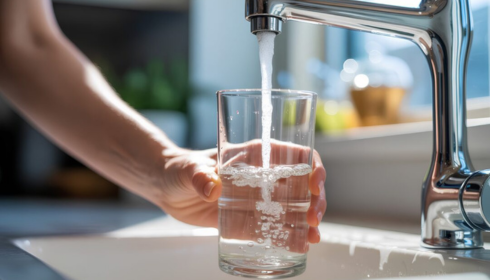
When Water Becomes Part of the Conversation at Home and Work
There’s a point—somewhere between filling a glass and noticing a faint smell—when water stops being invisible. It becomes something you think about. Not obsessively, not in a dramatic way, but just enough to wonder, “Is this as good as it could be?”
That thought shows up in different places. At home, it might be dry skin or dishes that never quite look clean. At work, maybe it’s customers complaining about the taste of water or equipment not lasting as long as expected. Either way, it’s the same quiet realization.
Water matters more than we give it credit for.
The Everyday Role Water Plays (That We Rarely Acknowledge)
We use water constantly—cooking, cleaning, bathing, brewing coffee, running businesses. It’s woven into everything, yet we rarely stop to consider its quality unless something feels off.
And when it does feel off, it’s usually subtle at first.
A slightly metallic taste. Soap that refuses to lather properly. Scale building up on fixtures like it’s slowly claiming territory. These aren’t urgent problems, but they’re persistent ones. They linger in the background until you can’t ignore them anymore.
What’s interesting is how quickly these small issues can shift your perspective. You go from taking water for granted to questioning it almost daily.
Understanding Regional Challenges Before Jumping to Solutions
Not all water problems are created equal. In fact, location plays a huge role in what you’re dealing with.
Take coastal regions, for example. In places like Florida, water often carries higher mineral content, along with potential contaminants influenced by groundwater conditions. These Florida water problems can include hardness, sulfur smells, and even tannins that affect color and taste.
It’s not that the water is unusable—it’s just not ideal. And over time, those imperfections start to impact both comfort and functionality.
The key here is awareness. Knowing what’s common in your area helps you make smarter decisions instead of guessing your way through it.
Why One-Size-Fits-All Doesn’t Really Work
There’s a tendency to look for universal fixes. A filter that promises to solve everything. A system that claims to be “perfect for every home or business.”
But water doesn’t work that way.
Different environments require different approaches. A small household won’t have the same needs as a busy café. A commercial laundry facility deals with water very differently than a family kitchen.
That’s why residential & commercial water solutions are often designed with flexibility in mind. It’s not about throwing the most advanced system at the problem—it’s about matching the solution to the situation.
Sometimes that means softening hard water. Other times it’s about removing specific contaminants or improving taste. And occasionally, it’s a combination of several methods working together.
The Quiet Advantages of Getting It Right
Here’s something people don’t always talk about—the benefits of better water aren’t always loud or obvious. They’re quiet, almost understated.
Your appliances last longer. Your laundry feels softer. Your morning coffee tastes just a bit better. You stop noticing unpleasant smells because they’re no longer there.
These are the kinds of clean water benefits that don’t demand attention but subtly improve your daily experience. And over time, they make a bigger difference than you might expect.
It’s like adjusting the lighting in a room. At first, it seems minor. But once it’s right, everything feels more comfortable.
At Home vs. At Work: Different Needs, Same Goal
There’s an interesting overlap between residential and commercial water needs. Both aim for quality, but the priorities can shift.
At home, it’s often about comfort and health. You want water that feels good on your skin, tastes clean, and doesn’t damage your plumbing. It’s personal.
In a business setting, the focus might lean more toward efficiency and consistency. Restaurants need water that doesn’t alter the flavor of food. Hotels want guests to have a pleasant experience. Industrial setups rely on water that won’t disrupt machinery.
Different goals, yes—but they all circle back to the same idea: reliable, well-treated water.
Taking the First Step Without Overthinking It
If you’re starting to question your water, you don’t need to jump into complex systems right away.
Start simple.
Pay attention to what you’re already experiencing. Does your water leave residue? Does it smell unusual? Does it taste off? These small clues are often enough to point you in the right direction.
From there, consider testing your water. Even a basic analysis can provide clarity. It’s like turning on a light in a dim room—you suddenly see what you’re dealing with.
And once you have that information, decisions become easier. More grounded.
The Balance Between Practicality and Peace of Mind
At the end of the day, improving water quality isn’t just about fixing problems. It’s about creating a sense of ease.
You want to turn on the tap without hesitation. To trust that the water you’re using—whether at home or in your business—is doing what it’s supposed to do, without causing new issues along the way.
That balance between practicality and peace of mind is what most people are really after.
A Closing Thought That Feels Worth Sharing
Water doesn’t need to be perfect. It just needs to be right for you.
Maybe that means addressing a specific issue. Maybe it means upgrading your entire system. Or maybe it’s just about understanding your water a little better than you did before.
Whatever the path, it’s rarely about chasing some ideal standard. It’s about making everyday life smoother, more comfortable, and a bit more predictable.
And honestly, that’s more than enough reason to start paying attention.