
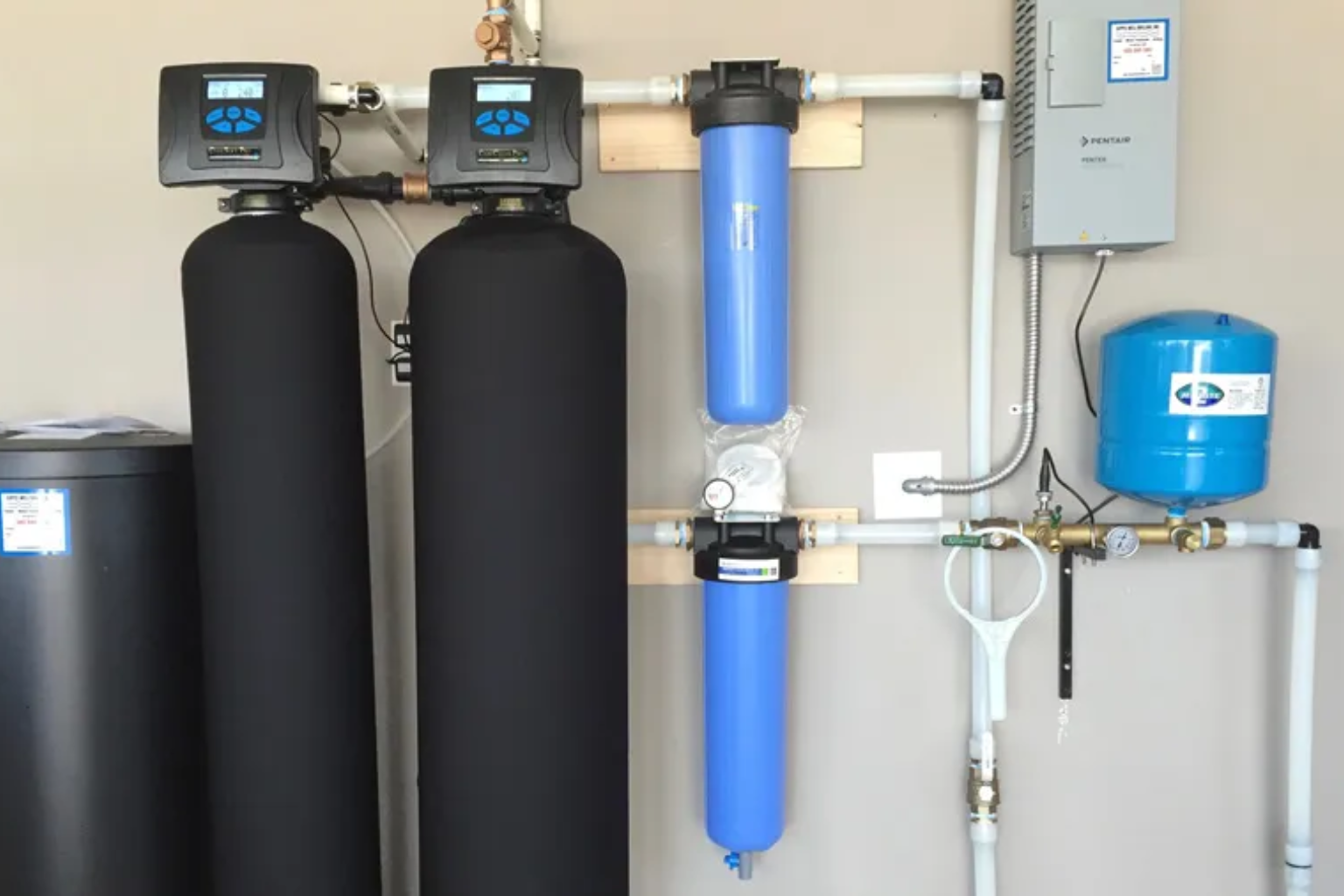
When Water Stops Feeling Invisible: A Closer Look at What’s Flowing Through Your Home
There’s a quiet shift that happens in most homes at some point. Water, which has always been background noise—reliable, unnoticed—suddenly steps into focus.
It might be the taste. Or the faint smell when you turn on the tap. Sometimes it’s the marks left behind on your sink or the way your shower feels less refreshing than it used to.
Nothing dramatic. Just enough to make you pause and think, “Has it always been like this?”
And once you start asking that question, it’s hard to stop.
The Small Signs You Can’t Quite Ignore
Water rarely announces its problems loudly. It whispers.
A cloudy glass here. A film on your dishes there. Soap that refuses to lather properly, even when you use more than usual. These are the kinds of things we tend to brush off.
We adapt. We adjust.
But over time, these small inconveniences start to feel like part of your routine. And that’s usually when you realize—maybe they don’t have to be.
What’s Actually in Your Water (And Why It Matters)
Water isn’t just water. It carries minerals, chemicals, and sometimes microscopic particles that don’t always show themselves clearly.
Depending on your source, you might be dealing with chlorine from municipal treatment, natural minerals from groundwater, or sediment that sneaks in over time.
That’s where water filtrations & purification comes into the picture—not as a complicated upgrade, but as a way to simplify your experience.
It’s about removing the extras. The things that don’t belong in your daily routine.
And when those are reduced, the difference often feels more natural than noticeable.
The Taste Factor You Didn’t Realize Was There
Taste is one of the first things people notice, even if they don’t immediately connect it to water quality.
A slight chemical edge. A faint aftertaste. Something that makes you reach for bottled water without thinking twice.
Most of the time, that comes down to chlorine. It’s used to disinfect water, which is important—but it can leave behind a flavor that’s hard to ignore once you notice it.
That’s why chlorine removal becomes such a common focus. Not because water is unsafe, but because people want it to feel clean in a more complete sense—neutral, refreshing, easy to drink.
And when that sharpness disappears, even simple things like a glass of water or a cup of tea feel different.
The Buildup You See—and the Buildup You Don’t
Then there’s the issue of scale.
You’ve probably seen it before—that chalky white residue on faucets, showerheads, or inside your kettle. It’s easy to clean, at least at first.
But what you don’t see is what’s happening inside your pipes and appliances.
Minerals settle over time, creating layers that reduce efficiency and increase wear. Your water heater works harder. Your dishwasher loses effectiveness. Even your plumbing can feel the strain.
This is where scale prevention becomes more than just a cleaning concern. It’s about protecting the systems you rely on every day.
Because once buildup takes hold, it doesn’t just sit there—it creates friction.
The Changes That Feel Subtle—but Stay With You
Improving your water doesn’t come with a big reveal. There’s no dramatic before-and-after moment.
Instead, it’s a series of small shifts.
Your dishes come out cleaner without extra effort. Your shower feels smoother. Your water tastes… simpler, in a good way.
You might not notice it immediately. But over time, you realize you’re no longer dealing with the same small frustrations.
And that’s when it clicks.
Choosing Solutions Without Getting Overwhelmed
If you’ve ever looked into water systems, you know how quickly things can get complicated.
There are filters, softeners, purification systems—all with different purposes and benefits. It’s easy to feel like you need to understand everything before making a decision.
But you don’t.
Start with what you’re experiencing. What’s bothering you the most? Taste? Buildup? Something else?
From there, solutions tend to become clearer. Not every home needs the same setup, and that’s okay.
The goal isn’t to create the perfect system. It’s to create one that makes your life easier.
Why It’s Worth Paying Attention (Even If Nothing Feels Urgent)
Water issues rarely feel urgent. They don’t demand immediate action.
But they do affect your daily life in small, consistent ways.
And because water touches almost everything you do—drinking, cooking, cleaning, bathing—even minor improvements can have a noticeable impact.
Less effort. More comfort. A smoother routine.
These aren’t flashy benefits, but they matter.
A More Comfortable Way to Live with Water
At the end of the day, improving your water isn’t about chasing perfection.
It’s about removing the small things that make it less enjoyable.
Because when your water feels right—when it tastes clean, flows easily, and doesn’t create extra work—you stop thinking about it altogether.
And that’s exactly where it belongs.
Final Thoughts: The Upgrade You Didn’t Know You Needed
We often focus on visible changes when improving our homes. New furniture, fresh paint, better lighting.
But some of the most meaningful upgrades are the ones you don’t immediately see.
Water is one of them.
It’s constant. Quiet. Easy to overlook.
But when it’s working the way it should, it supports everything else without asking for attention.
And sometimes, that’s the best kind of improvement—a change that doesn’t stand out, but makes everything feel just a little bit better.