Water can be surprisingly different from one property to another. Your neighbor might complain about a chemical taste in their drinking water, while you’re more concerned about reddish stains appearing around bathroom fixtures. Meanwhile, a local café could be struggling with mineral buildup inside its coffee machines.
Different problems, different circumstances, and often very different solutions.
Improving water quality begins with understanding what’s actually coming through your pipes. Whether you depend on a municipal supply or draw water from a private well, selecting appropriate treatment equipment can make everyday activities more comfortable and manageable.
The good news is that you don’t need to understand every detail of water chemistry to make an informed decision. Getting familiar with a few treatment technologies and their practical applications is an excellent place to start.
Improving Water Taste and Reducing Unpleasant Odors
There’s nothing particularly refreshing about drinking water that smells faintly like a swimming pool. Although disinfectants serve an important purpose in municipal water supplies, their associated tastes and odors can be unpleasant.
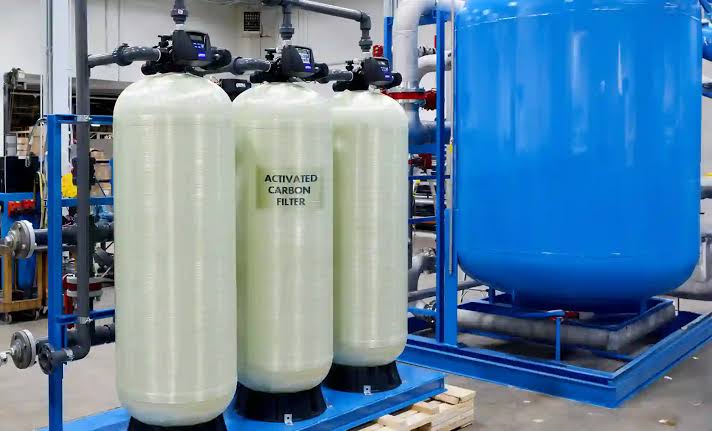
Many homeowners choose activated carbon filtration to address these concerns and reduce specific organic compounds, depending on the equipment’s verified capabilities.
Activated carbon contains numerous tiny pores that provide an extensive surface area. Certain substances adhere to this surface through a process called adsorption.
This technology is commonly used in kitchen filters, larger household treatment units, and multistage drinking water systems.
However, carbon filters aren’t designed to address every water quality problem. They generally don’t soften hard water, and conventional carbon cartridges shouldn’t be relied upon to eliminate harmful microorganisms.
Choosing suitable filter media and following recommended replacement schedules are important for maintaining effective performance.
The Unique Challenges of Relying on Private Wells
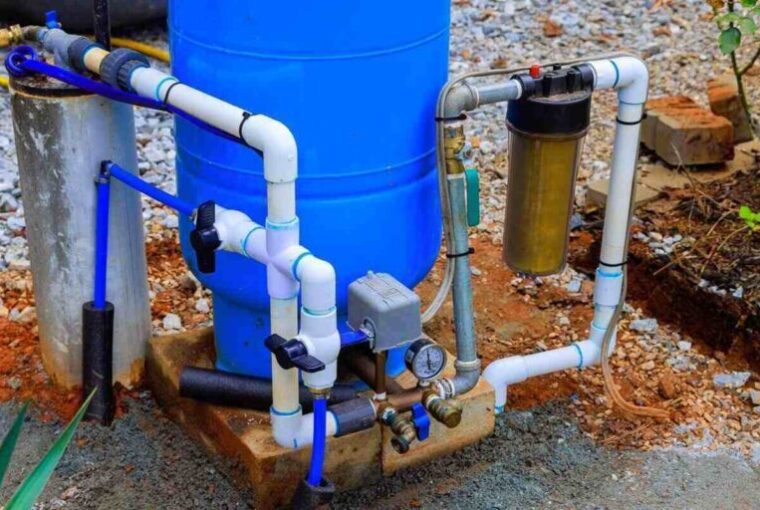
Having a private well offers a degree of independence, but it also comes with additional responsibilities. Unlike customers receiving municipally treated water, well owners are generally responsible for monitoring and managing their own water quality.
Effective well water treatment begins with appropriate laboratory testing to identify potential concerns such as excessive iron, mineral hardness, microbial contamination, or elevated nitrate levels.
Some problems are relatively easy to notice. Iron may contribute to reddish stains, while hydrogen sulfide can produce an unpleasant rotten-egg odor.
Other contaminants may be present without affecting water taste, smell, or appearance.
That’s why testing matters, even when everything seems perfectly normal.
Depending on the findings, a property might benefit from sediment removal, specialized iron filtration, ultraviolet disinfection, or other appropriate technologies.
Private well owners should also follow recommended testing schedules, particularly after flooding, well repairs, or unexpected changes in water characteristics.
Why Businesses Need a Different Approach to Water Quality
Imagine running a busy restaurant where mineral deposits regularly interfere with kitchen equipment. Maintenance becomes more frequent, operating expenses increase, and beverage quality may become inconsistent.
For business owners, water quality is often more than a matter of personal preference.
Properly designed commercial water filtration can help address specific operational requirements while supporting equipment performance and consistent water quality.
Restaurants, hotels, offices, and laundries all use water differently. A treatment arrangement suitable for a small office might struggle to accommodate the demands of a busy hospitality establishment.
Water consumption, peak usage, equipment specifications, and servicing accessibility all deserve consideration.
Businesses should also evaluate potential maintenance interruptions. A system that requires frequent shutdowns could create unnecessary difficulties during operating hours.
Choosing appropriately sized equipment from the beginning can help prevent these frustrations.
Combining Treatment Technologies for Better Results
One of the most useful things to understand about water treatment is that different technologies perform different jobs.
Sediment filters capture suspended particles. Traditional softeners reduce hardness minerals, while reverse osmosis membranes can reduce various dissolved substances according to their verified performance.
Ultraviolet equipment can inactivate susceptible microorganisms when operating under suitable conditions.
Some properties benefit from combining these technologies in a carefully designed arrangement.
For example, a household experiencing excessive sediment and microbial concerns may require appropriate pretreatment before ultraviolet disinfection.
However, installing more equipment isn’t automatically the answer.
Each treatment stage should address an identified requirement. Otherwise, homeowners and business owners may find themselves paying for unnecessary maintenance without receiving meaningful additional benefits.
Understanding the Long-Term Cost of Water Treatment
It’s easy to focus on equipment prices when comparing filtration options. But what happens after installation?
Replacement cartridges, regeneration supplies, membrane servicing, electricity, and water consumption can all contribute to ongoing expenses.
Before purchasing equipment, ask about realistic maintenance requirements and replacement component availability.
A relatively inexpensive system may become inconvenient to own if compatible filters are difficult to obtain or require frequent replacement.
For businesses, servicing costs and potential operational downtime deserve particular attention.
Look beyond the initial price and consider how comfortably the equipment will fit into your budget over several years.
Keeping Your Filtration Equipment Working Properly
Water treatment systems need regular attention, even when everything appears to be functioning normally.
Filters gradually reach their treatment capacity, membranes can experience deterioration, and specialized disinfection equipment requires periodic servicing.
Keep maintenance records and follow manufacturer recommendations.
If you notice unexpected changes in water pressure, taste, or equipment operation, investigate rather than ignoring them.
Appropriate follow-up testing can help confirm whether treatment continues addressing its intended purpose, especially when potentially harmful contaminants are involved.
Making Better Water a Practical Part of Everyday Life
Whether you’re preparing breakfast at home, maintaining a private well, or managing a busy commercial property, dependable water quality matters.
Start with reliable testing, choose equipment suited to your actual requirements, and maintain it consistently.
There’s no need to purchase the most complicated treatment system available. What matters is finding a solution that delivers genuine benefits without creating unnecessary expenses.
Sometimes, better living begins with something as ordinary as the water flowing from your faucet. And that’s an improvement worth making thoughtfully.