
Water is easy to take for granted until it starts causing problems. At home, it might leave stubborn white marks on bathroom fixtures or make your morning coffee taste a little off. At work, the consequences can be more serious: equipment may develop mineral deposits, cleaning routines can become less effective, and inconsistent water quality can disrupt everyday operations.
The truth is that good water means different things to different people. A family wants safe, pleasant-tasting drinking water, while a restaurant, hotel, or manufacturing facility may need a reliable supply that meets specific operational requirements. Choosing the right treatment system begins with understanding those differences and finding a solution that works in the real world, not just on a product brochure.
Why Water Quality Deserves More Attention
Water travels a long way before reaching a tap. Depending on its source and local conditions, it may contain dissolved minerals, sediment, chlorine, metals, or other substances that affect its characteristics. Municipal treatment addresses many important public health concerns, but household plumbing and local water chemistry can still influence the water that comes out of a faucet.
Hard water is a familiar example. Calcium and magnesium can accumulate inside pipes, water heaters, dishwashers, and other appliances. Over time, this scale may affect efficiency and create extra maintenance work. Chlorine, meanwhile, can leave a noticeable taste or smell that some people find unpleasant.
Commercial properties face similar issues, often on a larger scale. A hotel may need to protect boilers and laundry equipment, while a restaurant needs dependable water for beverages, cooking, and cleaning. Even a modest water quality issue can become expensive when it affects dozens of fixtures or high-use equipment.
Before purchasing any system, it’s worth identifying the actual concern. A water test can help distinguish hardness from contamination, while reviewing equipment specifications can reveal whether a problem is related to water quality or another maintenance issue.
Commercial Water Needs Require a Different Approach
A system that works perfectly for a small household may not be suitable for a busy commercial property. Businesses often use much larger volumes of water, and their demand can change dramatically throughout the day. A restaurant, for instance, may use relatively little water during preparation but experience heavy demand during the lunch rush.
Well-planned commercial water solutions account for usage patterns, required flow rates, water chemistry, and the type of equipment being protected. Depending on the application, treatment may involve sediment filtration, activated carbon, water softening, reverse osmosis, or specialized equipment designed for particular contaminants.
Consider a hotel with several floors of guest rooms. Hard water can contribute to scale in plumbing and heating equipment, while mineral deposits on showerheads and glass surfaces create additional housekeeping work. A properly sized softening system may help control these deposits and reduce certain maintenance demands.
A restaurant has different priorities. Water quality can influence beverage preparation, ice production, and the performance of dishwashing equipment. In some applications, reverse osmosis or blended water may help achieve the mineral profile required by coffee machines or other specialized equipment.
The key is to avoid choosing equipment based on capacity alone. Businesses should also consider peak demand, installation space, drainage, maintenance schedules, and the cost of replacing filters or other components. A qualified water treatment professional can evaluate these factors before recommending a system.
Making Drinking Water Better at Home
Residential water treatment is usually less complicated, but it still deserves a thoughtful approach. Some families simply want to improve the taste of their tap water. Others need to address hard water, sediment, or a specific contaminant identified through testing.
Modern residential drinking water systems include countertop filters, under-sink units, reverse osmosis equipment, and larger systems that treat water as it enters the home. Each option serves a different purpose, so the right choice depends on the water quality concern and how the household uses water.
Activated carbon filters are often useful for reducing chlorine and certain compounds that affect taste and odor. Reverse osmosis systems can reduce many dissolved substances, depending on their design and verified performance. Sediment filters capture suspended particles, while conventional softeners reduce hardness minerals through ion exchange.
For example, a family that dislikes the chlorine taste in municipal water may only need a suitable carbon filter at the kitchen sink. A household dealing with severe scale throughout the property might benefit from a softener, with a separate drinking-water filter if taste or specific contaminants are also concerns.
It’s important to remember that no single filter removes every possible contaminant. Before buying a product, check its independent certifications and the specific substances it has been tested to reduce. If you’re concerned about bacteria, lead, arsenic, or other health-related contaminants, appropriate laboratory testing is a much safer starting point than guessing based on taste or appearance.
What Makes Kinetico Water Systems Worth Considering?
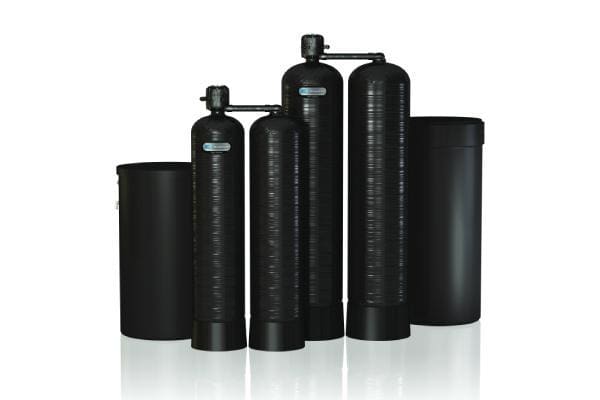
Homeowners comparing treatment equipment may come across kinetico water systems, a product line known for water treatment equipment that includes softeners and filtration options. The brand is particularly associated with non-electric, demand-operated water softening technology, although the features available depend on the specific model.
For some households, a non-electric design is appealing because it uses water flow and mechanical controls rather than relying on a conventional electrical connection. Certain models are designed to regenerate based on water use, which can help match operation to household demand.
Still, the brand name alone shouldn’t determine your decision. Different homes have different water chemistry, plumbing arrangements, and budgets. A particular model may be suitable for one property but unnecessary or poorly matched to another.
If you’re considering Kinetico equipment, ask for a water assessment and a clear explanation of the proposed system. Find out which problems it will address, what maintenance it requires, and how much replacement media or servicing is likely to cost over time. It’s also worth comparing warranty terms and the availability of local technicians.
These questions are useful regardless of which manufacturer you choose. Good equipment matters, but proper sizing, installation, and ongoing care often make the biggest difference to long-term performance.
Installation and Maintenance Matter More Than You Might Think
Even a high-quality treatment system can disappoint when it isn’t installed or maintained correctly. Filters have limited capacities, softeners need periodic attention, and reverse osmosis membranes must be replaced according to the manufacturer’s recommendations and actual operating conditions.
Commercial operators should schedule maintenance around business needs to avoid interruptions. A hotel may arrange servicing during quieter periods, while a restaurant can plan filter replacement before a particularly busy season. Keeping service records also makes it easier to identify recurring problems.
At home, maintenance doesn’t need to be complicated. Mark replacement dates on a calendar, keep track of unusual changes in water taste or appearance, and follow the manufacturer’s cleaning instructions. If your system includes a storage tank or requires sanitization, make sure those tasks aren’t overlooked.
It’s equally important to monitor water pressure and check for leaks after installation or servicing. When performance suddenly changes, don’t automatically assume the filter needs replacing. A clogged cartridge, plumbing problem, or change in the source water may be responsible.
Choosing a Solution That Makes Sense Long Term
The best water treatment investment isn’t necessarily the most advanced or expensive one. It’s the system that solves a real problem, suits your water supply, and remains practical to maintain.
Start with reliable information about your water. Identify whether the priority is drinking-water taste, hardness, sediment, a specific contaminant, or the operational demands of a business. Then compare equipment based on verified performance, capacity, installation costs, and long-term maintenance requirements.
For businesses, a carefully designed system can support equipment reliability and help maintain consistent operations. For homeowners, the right setup can make everyday chores easier and provide greater confidence in drinking-water quality.
Water treatment may not be the most exciting home or business investment, but its benefits can show up in small ways every single day. Fewer mineral deposits, better-tasting water, less avoidable maintenance, and equipment that operates as intended are all worthwhile outcomes. With the right assessment and a realistic plan, finding a suitable water solution becomes much less overwhelming.