
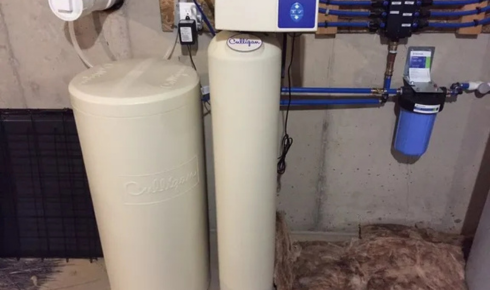
Soft Water, Big Difference: Why It Matters and Where It Flows Best
If you’ve ever stepped out of the shower and felt like your skin was still wearing a layer of film—or noticed your dishes come out of the dishwasher looking like they went through a dust storm—you’re probably dealing with hard water. And you’re not alone. Millions of people across the country deal with it daily. But what if you lived somewhere it wasn’t a problem at all?
That’s where this story begins—with the magic of soft water, and why understanding your options might just save your pipes, your skin, and your sanity.
What Exactly Is Soft Water (And Why Should You Care)?
In a nutshell, soft water is water that has low concentrations of minerals like calcium and magnesium. Unlike its “hard” counterpart, it doesn’t leave behind buildup, scum, or that dry, scratchy feeling on your skin after a rinse. It plays nice with soaps, extends the life of appliances, and makes laundry feel like… well, laundry should feel. Soft.
There’s a kind of smooth, almost silky quality to soft water that you notice once you’ve had a taste of the good life. And after that? It’s hard to go back.
Naturally Soft? Not Everywhere.
Believe it or not, some parts of the U.S. just won the water lottery. Areas with naturally soft water don’t need to fuss with treatment systems or maintenance routines. Think regions with granite-based geology and lower limestone presence.
Some of the states with soft water include Hawaii, Washington, Oregon, and much of New England. These areas tend to have surface water sources or aquifers that don’t leech excessive minerals. Lucky them, right?
Meanwhile, if you’re living in parts of the Midwest, Texas, Arizona, or Florida… let’s just say your water is working overtime—against you.
For the Rest of Us: Meet the Water Whisperers
When nature doesn’t deliver soft water, you’ve got options. Enter the professionals who dedicate their careers to helping homeowners, landlords, and businesses improve their water quality—your friendly neighborhood water specialists.
A good water conditioning service will do more than just install a water softener and call it a day. They’ll test your water, understand your unique usage patterns, and tailor a solution that works with your home’s plumbing, your lifestyle, and your budget. And hey, they might even throw in a bit of education about keeping your system in top shape.
The best part? Once the right setup is in place, it’s mostly a hands-off experience for you—with all the benefits and very little fuss.
Everyday Benefits That Just Feel Better
Soft water isn’t just a feel-good luxury. It’s a practical choice. It reduces soap usage. It helps prevent scale in your hot water heater (which saves energy). It keeps showerheads and faucets from turning into crusty science experiments. And don’t even get us started on the difference it makes to your hair and skin.
And laundry? It actually smells fresher. The colors stay brighter. Whites stay whiter. That’s not marketing fluff—that’s chemistry doing its job.
These changes may feel small at first, but they stack up fast. If you’re the kind of person who values long-term savings and subtle comfort improvements, soft water is kind of a no-brainer.
Choosing the Right System (Hint: It’s Not One-Size-Fits-All)
Now, before you run off to buy a softener off Amazon and DIY your water transformation, take a pause. Water systems are nuanced. Some homes may need additional filtration, some areas have local regulations, and others might benefit from dual-function systems that condition and purify at the same time.
That’s where soft water solutions providers come in. These are companies or specialists who don’t just install equipment—they listen to your needs, evaluate your water source, and guide you toward something that actually makes sense. Not too big. Not too small. Not overkill. Just right.
The real win here is finding someone who doesn’t treat water conditioning like a transaction. It’s a relationship. A good provider will answer your weird questions, follow up without being annoying, and stick around if something goes wrong.
What to Watch for When Hiring
If you’re shopping for a solution, don’t let a low upfront cost fool you. Sometimes cheap equipment can cost more in the long run with repairs, inefficiency, or poor performance. Ask about warranties. Check reviews. Compare service plans.
And always—always—start with a test. You can’t fix what you don’t understand, and each area’s water is a little different. A basic test can reveal everything from hardness levels to chlorine content and even bacterial traces. A solid company will often offer this as part of a free consultation. Take them up on it.
The Bigger Picture: Water as a Lifestyle Upgrade
At the end of the day, soft water isn’t just about plumbing or laundry. It’s about improving quality of life—one glass, one rinse, one load of towels at a time. Whether you’re raising a family, renting out a property, or just tired of scrubbing orange rings from your toilet, a switch to soft water can make things easier, cleaner, and—honestly—kinder to your wallet.
Because the truth is, you don’t need to live in one of the states with soft water to enjoy the benefits. You just need the right tools—and maybe the right team—to bring that smooth-flowing comfort to your doorstep.
Final Sip of Advice
Hard water might be the default in much of the U.S., but it doesn’t have to be your reality. With the right help, you can reclaim your showers, protect your appliances, and stop playing referee between your water and your detergent.
So whether you’re looking to eliminate buildup or just bring a little more “ahh” to your daily routine, investing in the right water conditioning service could be the best decision you make this year. Go ahead, soften up.