
The Details That Make a Home Feel Finished: Why Craftsmanship Matters in Every Installation
There’s a difference between a house that’s simply updated and one that feels thoughtfully finished. You can sense it the moment you walk in. The lines are straight. The surfaces feel solid. Nothing looks rushed or improvised. It’s subtle — but powerful.
Most homeowners focus on big-picture decisions: paint colors, layout changes, appliance upgrades. Those things matter, of course. But the real magic often lies in the details. The parts that require patience. The parts that demand skill.
Because no matter how beautiful your design vision is, it only works if the execution holds up.
Where Storage Meets Precision
Let’s start with kitchens and built-ins — spaces where function and appearance have to coexist perfectly. Poorly aligned doors or uneven gaps can quietly undermine an entire room.
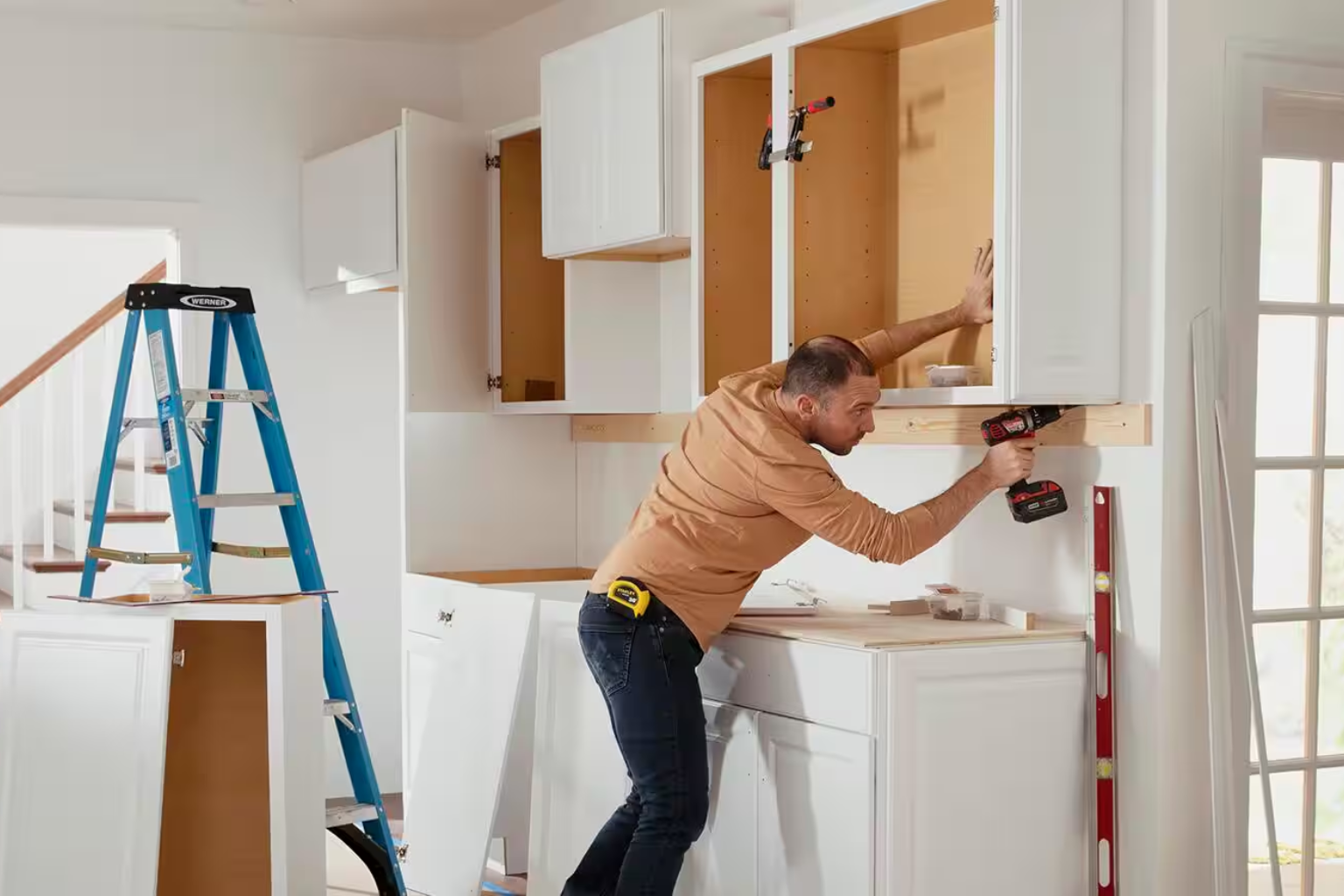
Professional cabinet installation isn’t just about attaching boxes to a wall. It’s about level lines, structural anchoring, and precise measurements that account for walls that aren’t perfectly straight — which, by the way, is almost every wall.
Installers often spend more time adjusting than attaching. Shimming cabinets to achieve perfect alignment. Ensuring doors open smoothly. Making sure hardware sits exactly where it should.
When done right, cabinets feel like they’ve always belonged there. When done poorly, even high-end materials look disappointing.
It’s craftsmanship you might not consciously notice — but you definitely feel it.
The Foundation Beneath Your Feet
Flooring is one of those elements that quietly defines a space. It connects rooms. Sets tone. Affects acoustics. Influences comfort.
Good flooring installation requires preparation that most people never see. Subfloors must be level. Moisture levels need testing. Expansion gaps have to be calculated. Skipping these steps might save time in the short term, but it almost always creates problems later — creaks, warping, uneven surfaces.
There’s something satisfying about walking across a properly installed floor. It feels solid. Confident. Stable.
Different materials require different techniques. Hardwood expands and contracts with humidity. Luxury vinyl demands precision cutting. Tile requires careful spacing and grout alignment.
Each choice brings its own challenges — and its own rewards.
The Art Hidden in Tile
Few elements combine artistry and technical skill quite like tile.
Quality tile work transforms kitchens and bathrooms. A well-laid backsplash can become a focal point. A precisely tiled shower adds elegance and durability at the same time.
But tile is unforgiving. Crooked lines or uneven spacing are instantly noticeable. Installers must measure carefully, plan layout patterns, and account for edges and corners before the first piece is set.
Grout lines matter. Spacing matters. Even the choice of grout color influences the final look more than people expect.
And let’s be honest — cutting tile to fit around outlets, fixtures, and angles takes real skill.
When tile work is done properly, it feels seamless. Almost effortless. When it’s not, it’s hard to ignore.
Why Preparation Always Wins
Across cabinets, flooring, and tile, one theme repeats: preparation.
Rushed installations rarely age well. Taking time to measure, level, adjust, and refine ensures longevity.
Home improvement television sometimes makes installations look quick and easy. But behind the scenes, experienced professionals know better. They understand that the extra hour spent aligning something perfectly prevents years of frustration.
There’s wisdom in slowing down.
Function and Form Should Work Together
What’s interesting about installation work is how it bridges practicality and beauty.
Cabinets must store effectively. Floors must endure traffic. Tile must resist moisture.
But they also need to look good. Feel cohesive. Complement surrounding elements.
Balancing these factors requires not just technical knowledge but also design awareness.
Installers who understand both structure and style bring added value to any project.
Choosing the Right Team
If there’s one lesson many homeowners learn the hard way, it’s this: quality installation is worth the investment.
Cheap labor often leads to costly repairs later. Misaligned cabinets may need reinstallation. Poorly laid floors may require replacement. Incorrect tile waterproofing can cause serious damage.
Ask for references. Review past work. Discuss timelines and expectations clearly.
Good communication sets the stage for good results.
The Long-Term Payoff
Well-installed materials age gracefully. Cabinets remain aligned. Floors stay stable. Tile resists cracking.
And when it comes time to sell, buyers notice craftsmanship. Even if they can’t articulate it, they sense quality.
Installation isn’t glamorous. It’s not the headline-grabbing part of renovation.
But it’s foundational.
Final Thoughts: The Quiet Confidence of Good Work
At the end of the day, a home feels finished when the details are handled with care.
Straight lines. Smooth edges. Solid footing.
These elements don’t demand attention — but they create comfort. They build trust in your space.
Because while design may capture the eye, craftsmanship holds everything together.
And that’s what makes a house feel like it’s truly done right.