
The Hidden Infrastructure That Keeps Life Flowing: Why Modern Water Systems Matter More Than Ever
Most of us don’t think about water until something goes wrong. Maybe the tap pressure suddenly drops. Maybe the water tastes slightly metallic one morning. Or maybe a restaurant posts a notice saying their water supply is temporarily shut off — and suddenly the entire operation comes to a halt.
It’s in those moments that we realize how quietly powerful water really is. It doesn’t just support life; it supports daily routines, businesses, health, and comfort in ways we rarely acknowledge.
Behind every smooth-flowing faucet is a complex network working tirelessly in the background. And today, that invisible network is becoming more important than ever.
Why Reliable Water Infrastructure Is No Longer Optional
In the past, water delivery systems were fairly simple. Pipes carried water from a central supply to homes or buildings, and that was usually enough. But modern demands have changed dramatically.
Urban growth, environmental concerns, aging infrastructure, and rising health awareness have all increased the pressure on water quality and reliability. As a result, homeowners and businesses alike are investing more attention into their water systems — not just for convenience, but for long-term sustainability.
These systems now do much more than transport water. They filter impurities, regulate pressure, monitor usage, and even detect leaks automatically. Smart technology has transformed what was once basic plumbing into an integrated, intelligent network.
And honestly, it makes sense. When something is this essential, it shouldn’t be left to chance.
The Growing Importance of Water Purity in Business Environments
While clean water matters at home, its importance multiplies in commercial settings. Restaurants, healthcare facilities, manufacturing plants, hotels — they all rely heavily on consistent water quality.
For example, a café may struggle with inconsistent coffee taste if mineral levels fluctuate. A medical clinic must maintain strict hygiene standards that depend on pure water. Even industrial processes require precise water conditions to function correctly.
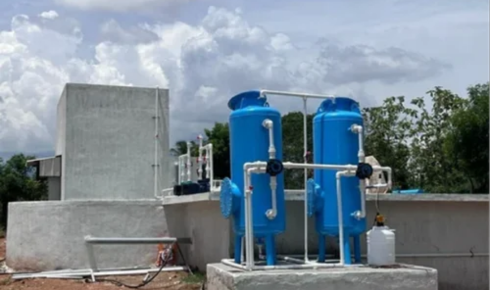
This is where commercial water purification becomes critical. These systems are designed to handle larger volumes while removing a wider range of contaminants. They often incorporate advanced filtration technologies like multi-stage carbon filters, UV sterilization, and reverse osmosis membranes.
Businesses that invest in high-quality purification systems don’t just protect their operations — they also build trust with customers. After all, water quality directly influences food safety, product consistency, and overall customer experience.
And in competitive industries, trust is everything.
Installation: The Step That Determines Everything
Interestingly, even the most advanced water technology can fail if it isn’t installed properly. It’s a bit like buying a top-of-the-line engine but placing it in a vehicle without proper alignment — performance will always suffer.
Professional system installation ensures that every component functions exactly as intended. From selecting the right equipment to optimizing pipe layout and ensuring correct pressure calibration, installation plays a crucial role in long-term efficiency.
Improper setups can lead to hidden leaks, inconsistent filtration, premature equipment wear, or energy inefficiency. On the other hand, a well-installed system operates quietly, reliably, and often requires minimal maintenance for years.
This is why experts often emphasize that installation isn’t just a technical step — it’s an investment in performance and peace of mind.
The Human Side of Water Reliability
Beyond engineering and infrastructure, there’s a deeply human element to reliable water access.
It’s the comfort of knowing your business won’t face unexpected shutdowns due to supply issues.
It’s the reassurance that your family is drinking clean, safe water every day.
It’s the confidence of turning on a faucet without hesitation.
Water reliability doesn’t just affect operations or health — it affects emotional stability. It removes small, daily worries that otherwise linger in the background.
And in today’s fast-paced world, reducing those invisible stressors matters more than we often admit.
Sustainability and the Future of Water Management
Modern water solutions aren’t only about safety and reliability — they’re increasingly focused on sustainability as well.
Advanced systems now include features like water recycling, smart monitoring, and efficiency optimization. These innovations help reduce waste, lower energy consumption, and minimize environmental impact.
As global water resources face growing pressure from climate change and population growth, these improvements are no longer optional. They’re becoming essential.
Businesses and homeowners who adopt efficient systems today are not only improving their own operations — they’re contributing to a more sustainable future for everyone.
Small Improvements That Make a Big Difference
One of the most encouraging aspects of modern water technology is its accessibility. You don’t need a massive facility or a luxury budget to benefit from upgraded systems.
Simple improvements — such as regular maintenance checks, targeted filtration upgrades, or smart monitoring tools — can significantly enhance performance. Over time, these small steps create a reliable, efficient infrastructure that supports daily life seamlessly.
Many people only realize the value of these improvements after experiencing a disruption. But those who plan ahead often avoid those problems entirely.
And that’s always the better path.
A Quiet Conclusion: The Infrastructure We Should Appreciate More
Water systems rarely receive attention because they work quietly, without demanding recognition. They don’t sparkle like new appliances or draw admiration like modern architecture.
Yet they sustain everything.
They support homes, power industries, protect health, and enable daily life to run smoothly. Without them, even the most advanced environments would quickly struggle to function.
Perhaps that’s why it’s worth taking a moment to appreciate the hidden infrastructure beneath our floors and behind our walls — the systems that keep life flowing, literally and figuratively.