
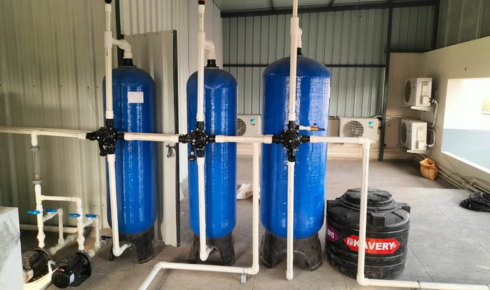
Water, the Long Way Around: How We Treat, Tame, and Return What We Use
Water has a funny way of disappearing from our thoughts until something feels off. A glass tastes metallic. Soap won’t lather. The sink drains away what you poured without another second of consideration. We interact with water constantly, yet rarely pause to think about the systems quietly shaping its journey.
Behind every clean sip and every flushed drain is a story of engineering, compromise, and human choice. It’s not just about purity or pressure—it’s about balance. How we take water, how we change it, and how we give it back.
When Clean Water Starts to Feel Personal
Most people don’t wake up planning to think deeply about water quality. It usually begins with something small. Dry skin after showers. White residue on taps. A kettle that needs descaling far too often. These aren’t crises, but they nudge curiosity.
At that point, water stops being abstract. It becomes part of daily comfort. And comfort, as it turns out, is deeply personal.
Some households want drinking water that tastes neutral and clean. Others care more about protecting appliances or plumbing. The “right” solution depends less on marketing promises and more on how water is actually used inside a home.
The Quiet Precision of Reverse Filtration
There’s something almost poetic about reverse osmosis. Water is pushed through layers so fine they block what we don’t want while letting the rest pass through. No drama. No noise. Just steady, patient separation.
For many people, this type of filtration becomes noticeable only in absence—when bottled water is no longer necessary, or when coffee suddenly tastes the way it should. It doesn’t try to fix everything at once. Instead, it focuses on what enters the glass.
The beauty of systems like this is restraint. They don’t overwhelm. They quietly do one job well, and then step aside.
Hard Water and the Daily Annoyances We Accept
Hard water isn’t dangerous, but it is persistent. It leaves marks, stiffens fabrics, and slowly shortens the life of pipes and machines. Over time, these little inconveniences stack up.
That’s where water softeners earn their place. Not as luxury items, but as practical tools that reduce friction—literal and figurative. Softer water means less buildup, gentler showers, and systems that don’t have to fight minerals at every turn.
The change isn’t instant in a dramatic sense. It’s gradual. You notice it when cleaning becomes easier, when skin feels less tight, when appliances stop protesting. It’s subtle, but deeply appreciated.
What Happens After the Water Leaves
It’s easy to focus on what comes into our homes and forget what leaves them. Every drain leads somewhere, and that “somewhere” matters more than we like to admit.
wastewater treatment sits at an odd intersection of responsibility and invisibility. It’s not glamorous. It doesn’t come with sleek fixtures or countertop units. Yet it’s one of the most important parts of the water cycle.
Treating used water properly protects ecosystems, public health, and future water supplies. It’s the part of the system that reminds us water isn’t disposable—it’s borrowed.
Technology Helps, Judgment Decides
Modern water systems are impressive. Sensors monitor quality. Software predicts maintenance needs. Filters are more efficient than ever. But technology alone doesn’t make good decisions.
Someone still has to choose which solution fits which situation. Someone has to weigh cost against benefit, simplicity against performance. And sometimes, the smartest move is doing less, not more.
Over-treating water can strip it of character. Under-treating it causes long-term damage. The sweet spot lives somewhere in between, guided by testing, experience, and a willingness to listen.
Living With Better Water, Not Obsessing Over It
Ironically, the best water systems fade into the background. Once they’re in place, you stop thinking about them. That’s a sign they’re doing their job.
Good water doesn’t demand attention. It doesn’t need constant tweaking. It supports routines quietly—morning showers, evening cooking, late-night glasses filled without a second thought.
And that’s where water treatment succeeds. Not in showing off, but in disappearing.
The Bigger Picture We’re Slowly Learning
Water conversations are changing. What used to be about convenience is now about sustainability. What was once local is now clearly global. Every choice, from filtration to disposal, ripples outward.
Homes, businesses, and cities are beginning to treat water with more respect—not because they’re forced to, but because the long-term consequences are impossible to ignore.
Cleaner intake. Smarter use. Responsible return.
A Thoughtful Ending, Like Water Itself
Water doesn’t rush. It finds paths, adapts to obstacles, and keeps moving. Our systems should do the same—thoughtful, efficient, and quietly reliable.