
When Your Water Smells, Stains, or Tastes Off: Fixing the Problems at the Source
There’s something deeply unsettling about turning on your tap and catching a whiff of something… unexpected. Maybe it smells faintly like a swimming pool. Maybe there’s a metallic aftertaste that lingers longer than it should. Or maybe — and this one’s hard to ignore — the water smells like rotten eggs.
You can live with it for a while. Most people do. They light a candle, switch detergents, buy bottled water for drinking. But at some point, you start wondering: why am I working around my water instead of fixing it?
The truth is, common water issues usually have straightforward causes. And better yet, they often have practical solutions.
That Pool-Like Smell in the Shower
If your water smells like a public pool, chlorine is likely the culprit. Municipal systems rely on chlorine to disinfect water during transit. It’s effective and important — but it doesn’t always fade by the time water reaches your home.
While regulated chlorine levels are considered safe, the smell and taste can affect daily comfort. Hot showers tend to amplify it. Steam fills the bathroom, and suddenly it’s hard to ignore.
This is where targeted chlorine removal makes a noticeable difference. Activated carbon filters are commonly used to reduce chlorine content. Once installed, many homeowners report cleaner-tasting water and showers that feel less harsh on skin and hair.
It’s not about eliminating safety measures — it’s about refining what reaches your faucet.
And once that chemical edge disappears, you realize how much you’d gotten used to it.
The Mystery of Rusty Stains
If you’ve noticed orange or brown streaks in your sink, bathtub, or toilet bowl, iron is likely present in your water supply. This is especially common in homes with well water, though it can appear in municipal systems too.
Iron itself isn’t typically dangerous at common levels, but it’s persistent. It stains laundry. It discolors fixtures. It can even affect the taste of drinking water.
Proper iron removal systems are designed to oxidize and filter out dissolved iron before it reaches your plumbing. Depending on the type — ferrous or ferric iron — different treatment methods may be required.
When iron is addressed effectively, stains fade. Laundry stays brighter. Water tastes cleaner.
It’s one of those improvements that feels almost cosmetic at first — until you realize how much time you’ve been spending scrubbing rust-colored rings from your fixtures.
The Rotten Egg Problem
Let’s talk about the smell no one wants to mention.
If your water smells like sulfur — that distinct rotten egg odor — hydrogen sulfide gas is usually responsible. This is common in well systems, where naturally occurring bacteria interact with organic matter underground.
The smell can be strongest when hot water runs, especially if bacteria are present in the water heater.
Addressing this often involves oxidation and filtration methods specifically designed for sulfur odor elimination. Aeration systems, chemical injection, or specialized filters can neutralize the gas before it enters your home’s plumbing.
Once the smell is gone, daily routines feel less… intrusive. No more holding your breath in the shower. No more wondering if guests notice the scent when they wash their hands.
It’s not just about comfort — it’s about confidence.
Why Testing Matters
Here’s the thing: guessing rarely works with water.
Chlorine, iron, sulfur — they each require different treatment strategies. Installing the wrong system wastes time and money.
A professional water test reveals what’s actually present and in what concentration. It’s the most reliable starting point. Without it, you’re solving symptoms instead of addressing root causes.
And water can vary significantly by region — even by neighborhood. What works for your neighbor may not be right for you.
Long-Term Benefits Beyond Taste and Smell
Fixing water quality issues doesn’t just improve daily comfort. It protects plumbing and appliances.
Iron can clog pipes over time. Sulfur bacteria can contribute to slime buildup. Excess chlorine may accelerate wear on rubber seals and certain materials.
Treating these issues early reduces maintenance headaches down the road. Appliances last longer. Fixtures stay cleaner. Plumbing systems operate more efficiently.
It’s preventative care disguised as a comfort upgrade.
The Emotional Side of Clean Water
There’s something subtle but meaningful about trusting your water.
You turn on the tap without hesitation. You pour a glass without questioning the taste. You shower without noticing odd smells.
When water problems linger, even minor ones, they create low-level stress. Fixing them restores a sense of normalcy.
And once it’s handled, you stop thinking about it altogether — which is exactly the point.
Choosing the Right Solution
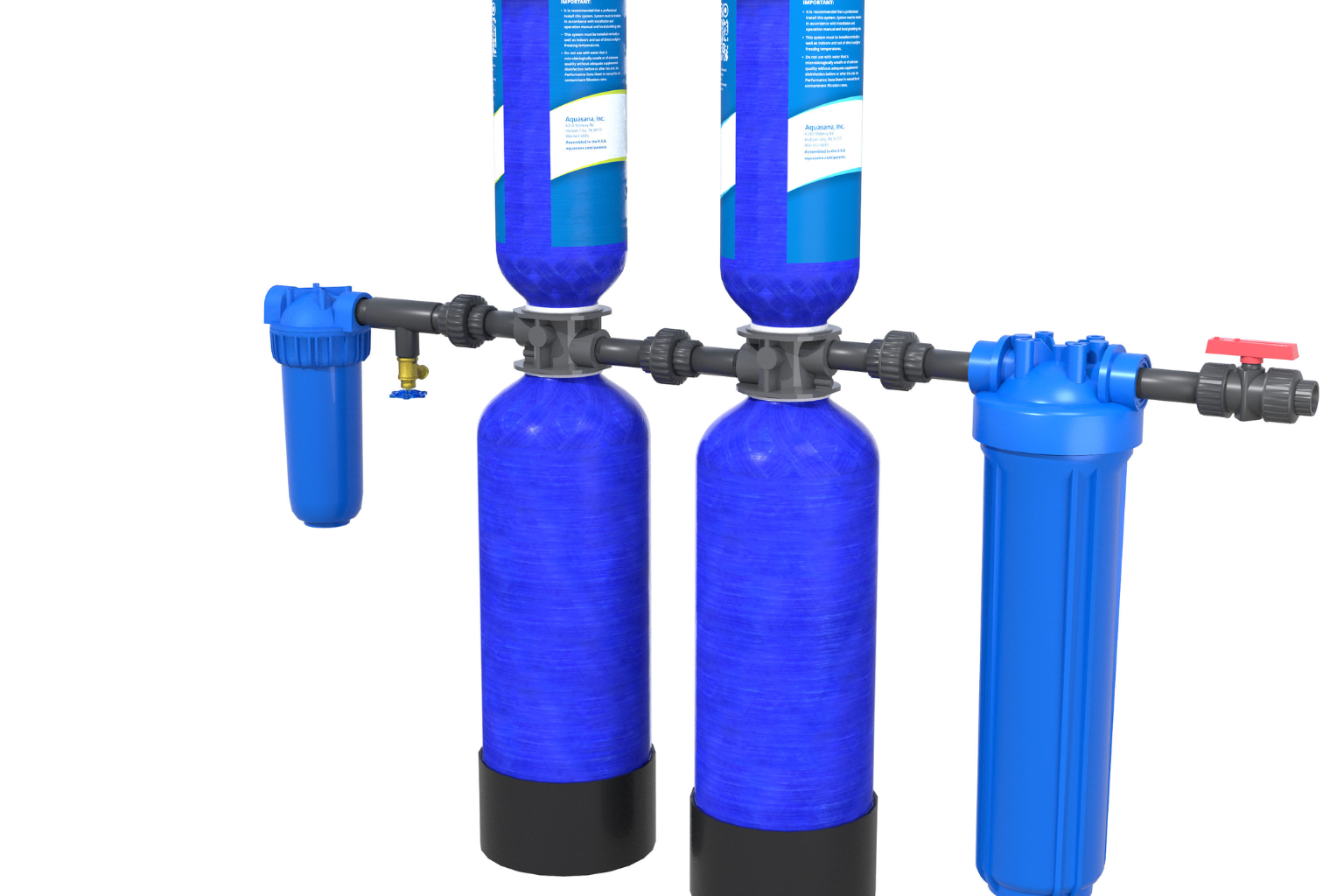
Modern treatment systems are more efficient and user-friendly than ever. From carbon filters to oxidation tanks to specialized media filters, there’s a solution for nearly every common water issue.
Maintenance is typically manageable — periodic filter changes, occasional servicing. It’s far less disruptive than living with persistent stains or odors.
If you’ve been working around your water instead of addressing it, it might be time to take a closer look.
Because water flows through every part of your daily life. It shouldn’t be something you tolerate. It should be something you trust.
And when it’s clear, odor-free, and balanced, you’ll wonder why you waited so long to fix it.