
Water is one of those things we tend to take for granted until it starts causing trouble. You might notice white marks on the shower glass, a kettle that seems to collect mineral deposits overnight, or drinking water with a taste that wasn’t there before. Sometimes the problem is obvious. Other times, everything looks perfectly normal, yet you’re still wondering whether your water could be better.
Choosing a treatment system can feel overwhelming because there are so many options, each promising a different benefit. Filters, softeners, reverse osmosis units, and whole-house systems all have their place, but they aren’t interchangeable. The best starting point isn’t a product catalogue. It’s understanding what’s happening with your water and what you actually want to improve.
Start With the Water You Already Have
Before spending money on equipment, pay attention to the small signs around your home. Does soap struggle to lather? Are there orange stains around sinks? Does the water have an unusual smell, or is the issue mostly about taste? These details can help narrow down the possibilities, although they can’t provide a complete diagnosis.
Water quality varies depending on its source, local geology, treatment processes, and household plumbing. Municipal water is generally treated before distribution, while private wells can have different mineral and microbiological concerns. Even homes in the same neighbourhood may experience different issues because their plumbing and water sources aren’t identical.
Testing is a sensible way to move beyond guesswork. Depending on the source and the concerns involved, testing may examine hardness, pH, iron, dissolved solids, bacteria, or specific contaminants. A basic hardness test, for example, won’t tell you whether water is free from lead or bacteria. Those concerns require appropriate testing methods.
Some providers offer free water testing as an introductory service. Before arranging a test, ask what it measures and whether the results come from laboratory analysis or a simple demonstration. A free screening can be useful, but it shouldn’t be mistaken for a complete assessment of every possible water-quality concern.
When Hard Water Makes Everyday Chores Harder
Hard water is a common household frustration. It contains higher concentrations of calcium and magnesium, which can leave chalky deposits on faucets, showerheads, glassware, and water-heating equipment. You may also find yourself using more soap than expected or spending extra time scrubbing the bathroom.
The minerals responsible for hardness aren’t generally considered harmful at the levels commonly found in household water, but they can affect convenience and appliance maintenance. Scale may build up over time, especially in equipment that heats water. The amount of buildup depends on hardness levels, water use, temperature, and other conditions.
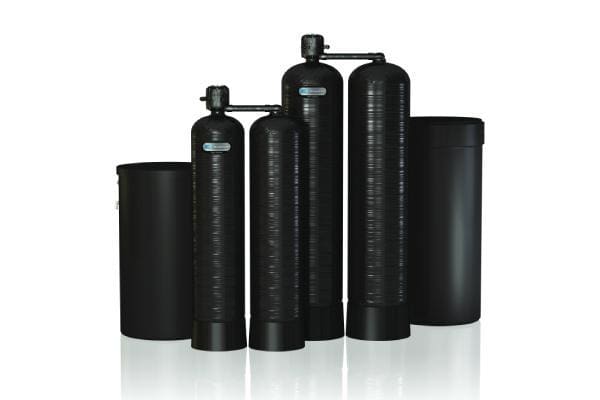
For households dealing with these issues, water softeners may help reduce hardness through an ion-exchange process. Conventional systems exchange calcium and magnesium ions for sodium or potassium ions, depending on the design. This can limit scale formation and make soap work more effectively.
Still, softening isn’t the same as purification. A water softener isn’t designed to remove every contaminant, and it shouldn’t be treated as a universal solution for drinking-water safety. Some households may prefer a separate drinking-water supply, particularly if they have specific concerns about sodium. A qualified water-treatment professional can explain the options based on the test results and household requirements.
Choosing Filtration for the Whole House
Some water concerns affect more than the kitchen tap. Sediment may appear in several fixtures, or the incoming water may contain substances that affect plumbing and appliances throughout the property. In these cases, a whole-house treatment system may be worth considering.
These systems are typically installed where water enters the home. Depending on the water analysis, they may use sediment filtration, activated carbon, or other technologies designed for particular treatment goals. A sediment filter can capture particles, while certain carbon filters reduce chlorine taste, odor, and selected compounds.
The important thing is to match the filter to the problem. A sediment cartridge won’t reliably remove dissolved contaminants, and a standard carbon filter isn’t designed to address every microbiological concern. Ask for documentation showing what the proposed system is intended to reduce and how its performance has been verified.
Household demand matters as well. A system should provide enough flow for showers, laundry, cooking, and other uses without creating an inconvenient pressure drop. Installation space, access for maintenance, and the cost of replacement media should also be part of the decision.
Whole-house treatment can be useful, but not every home needs it. If your main concern is the taste of drinking water, a smaller system at the kitchen sink may be a more practical choice.
Improving the Water You Drink
Water used for drinking and cooking deserves particular attention because it goes directly into your daily routine. If testing identifies substances that need reducing, drinking water systems can provide targeted treatment at the kitchen sink or another convenient point of use.
Options include activated carbon filters and reverse osmosis units. Carbon filtration can reduce certain tastes, odors, and selected compounds, depending on the product’s design. Reverse osmosis uses pressure to move water through a semipermeable membrane, reducing many dissolved substances. Its effectiveness varies by system and contaminant, so check the model’s performance documentation before choosing one.
Think about how your household uses water. A small family that fills a few glasses each day may have different needs from a busy household that regularly fills reusable bottles, prepares meals at home, and uses filtered water throughout the day. Storage capacity and flow rate can make a noticeable difference.
There are ongoing costs to consider, too. Filters and membranes need replacement, and conventional reverse osmosis systems send some water to the drain during production. These trade-offs don’t make a system unsuitable, but they should be understood before installation.
Don’t Forget the Cost of Keeping It Running
The purchase price is only one part of water treatment. Installation, replacement cartridges, salt for a softener, electricity, water use, and periodic servicing can all contribute to the long-term expense.
Ask the provider for a clear estimate that explains what’s included. Find out how often parts need replacing, whether routine maintenance can be completed at home, and which tasks require professional service. If a proposal includes several treatment stages, ask why each one is needed.
Be cautious of claims that one device removes everything or that a quick demonstration proves your water is dangerous. Reliable recommendations should be based on appropriate testing, verified product performance, and a clear explanation of the system’s limitations.
A Better Decision Starts With Good Information
Water treatment doesn’t need to become a complicated home improvement project. Begin by identifying the concern, arrange suitable testing, and compare technologies that address the results. Consider installation, ongoing maintenance, and household water use alongside the initial cost.
The right system isn’t necessarily the largest or most expensive one. It’s the system that addresses your actual needs and can be maintained properly over time. With a little research and sensible planning, you can make everyday water use more convenient without paying for features that offer little benefit.