Imagine moving into a beautiful new home, unpacking your belongings, and discovering that the tap water leaves stubborn white marks on your glassware. Or perhaps you’ve lived in the same house for years but recently noticed an unfamiliar taste in your drinking water. These situations are surprisingly relatable, and they often leave homeowners wondering where to begin.
For residents of Moorhead, Minnesota, reliable water quality testing and treatment can help take the uncertainty out of choosing suitable filtration and conditioning equipment.
Water treatment shouldn’t involve buying products simply because they promise impressive results. Understanding your water supply, recognizing its particular challenges, and selecting appropriate equipment can make the entire process more worthwhile.
Taking a Closer Look at Your Everyday Water
Your water might seem perfectly normal until you start paying attention to the little things. Perhaps your bathroom mirror gets splashed with water that leaves chalky marks, or your favorite tea doesn’t taste quite as good at home as it does elsewhere.
These observations can offer useful clues.
White deposits frequently suggest hardness, while reddish-brown stains may indicate iron. Unpleasant odors can have several possible causes, including disinfectants, naturally occurring substances, or plumbing-related problems.
However, not every concern is visible. Certain contaminants can exist without changing water’s appearance or flavor.
Municipal water quality reports provide helpful background information, while appropriate laboratory testing offers private well owners a clearer understanding of their individual water supplies.
Why Professional Guidance Can Save You Money
There’s no shortage of water treatment products available today. Visit a home improvement store or spend an evening browsing online, and you’ll quickly discover dozens of promising solutions.
The difficulty lies in knowing which ones actually address your concerns.
Experienced providers offering professional water treatment services can help interpret testing results, evaluate plumbing arrangements, and recommend equipment that matches your property’s requirements.
For example, a homeowner struggling with mineral deposits may need softening rather than conventional carbon filtration. Someone concerned about particular dissolved drinking water contaminants might require a different treatment technology altogether.
Ask questions before purchasing anything. A trustworthy provider should explain what the recommended equipment does, what it cannot accomplish, and how much maintenance it requires.
Improving Water Quality Beyond the Kitchen Sink
A drinking water filter can certainly make a difference in the kitchen, but what about the water used throughout the rest of your home?
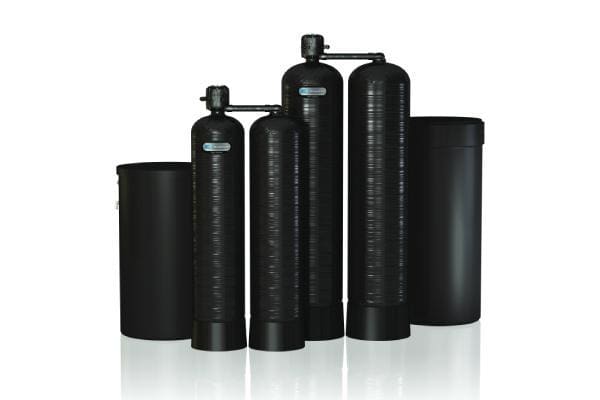
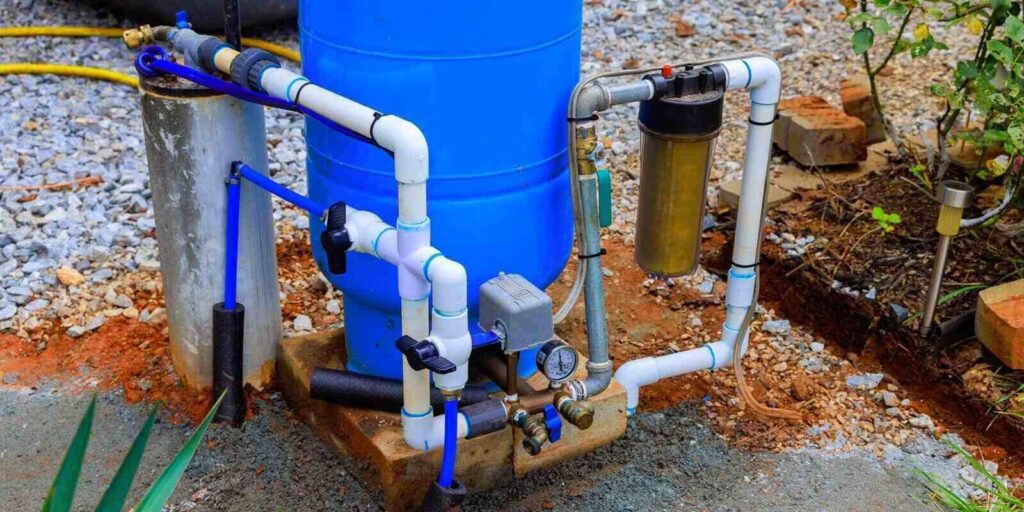
With whole-house water filtration, appropriate treatment equipment is installed near the incoming water supply, allowing it to address selected concerns before water reaches designated household fixtures.
Sediment filtration can help capture suspended particles, while activated carbon may reduce chlorine and certain unwanted tastes and odors.
This centralized arrangement can be particularly convenient when similar water quality problems appear throughout the property.
Instead of installing individual filters at several faucets, homeowners can maintain a primary treatment system.
Still, the equipment must be properly sized and selected according to actual water conditions. Broader coverage doesn’t automatically mean every contaminant will be removed.
Understanding the Difference Between Softening and Filtration
One common misunderstanding is that all water treatment equipment performs essentially the same function.
Consider hard water. The dissolved calcium and magnesium responsible for hardness can contribute to mineral deposits inside household appliances and around plumbing fixtures.
Ordinary sediment filters aren’t designed to remove these dissolved minerals.
Conventional ion-exchange softeners address hardness through a different process, helping reduce new scale formation and improve soap lathering.
Similarly, reverse osmosis equipment can reduce particular dissolved substances in drinking water, depending on its independently verified capabilities.
Understanding these distinctions makes buying equipment much easier. It also prevents the disappointment of installing a filter and discovering that those stubborn mineral deposits haven’t gone away.
Considering the Needs of Local Businesses
Water quality deserves just as much attention in commercial properties as it does in residential homes.
Think about a Moorhead coffee shop preparing beverages throughout the morning rush. Consistent water characteristics matter for flavor, while excessive mineral buildup may create additional equipment maintenance.
Restaurants, hotels, and other establishments may experience similar challenges.
However, commercial treatment systems must accommodate higher consumption levels and periods of significant demand.
Business owners should consider equipment capacity, servicing arrangements, and long-term operating expenses.
A properly selected system can help address recurring water quality concerns without unnecessarily disrupting daily operations.
Sometimes, the financial benefits of suitable treatment become apparent through more manageable maintenance routines rather than immediate, dramatic savings.
Planning for Installation and Future Maintenance
Before installing treatment equipment, take a moment to consider the practical details.
Is there sufficient space near the main water supply? Will the equipment remain accessible when filters need replacing? Can it accommodate your household’s busiest periods without unnecessarily restricting water flow?
These questions are worth discussing with your installer.
Maintenance matters just as much. Filter cartridges gradually accumulate particles, carbon media eventually become exhausted, and water softeners require appropriate regeneration supplies.
Keep track of servicing dates and investigate unexpected changes in water quality or pressure.
Appropriate follow-up testing can also help verify treatment performance, particularly when addressing specific contaminants.
Making Better Water a Lasting Part of Your Home
For homeowners and business owners in Moorhead, Minnesota, improving water quality begins with understanding what comes through the pipes.
Reliable testing, thoughtful equipment selection, and consistent maintenance create a practical foundation for long-term improvements.
The benefits may reveal themselves through ordinary moments — fewer stubborn deposits, more enjoyable beverages, or less time spent dealing with recurring cleaning frustrations.
You don’t necessarily need an elaborate treatment arrangement. You need one that makes sense for your property.
After all, better water isn’t simply another home improvement project. It’s an investment in something you use every single day, often without even realizing how much it contributes to your comfort.