
Why Better Water at Home Starts With the Right Treatment System
There’s something easy to overlook about water when it’s always there. You turn on the faucet, fill a glass, wash dishes, start a load of laundry—it all feels routine. But when the water quality isn’t quite right, those everyday moments start to change. Soap doesn’t lather well, glasses come out cloudy, your skin feels dry after a shower, and appliances seem to wear out sooner than they should.
Most homeowners don’t realize how much their water affects daily life until the signs become impossible to ignore. And honestly, that’s understandable. Water problems usually appear slowly, not all at once. By the time you notice them, they’ve often been around for months.
The good news? Improving your home’s water doesn’t always require a complicated solution. It starts with understanding what’s happening in your water supply and choosing equipment that’s actually designed for your needs.
Hard Water Is More Common Than You Think
Many regions deal with naturally hard water, which contains elevated levels of calcium and magnesium. These minerals aren’t dangerous to drink, but they certainly leave their mark around the house.
White spots on dishes, stubborn buildup on faucets, faded laundry, and inefficient water heaters are all familiar symptoms. Even your morning shower can feel different because minerals prevent soap from rinsing away completely.
Over time, those tiny mineral deposits accumulate inside plumbing pipes and household appliances. It happens little by little, but eventually efficiency drops, energy bills rise, and maintenance becomes more frequent.
That’s why so many homeowners eventually decide to install that help improve overall water quality while reducing mineral buildup throughout the plumbing system. It’s one of those upgrades that often pays for itself through better appliance performance and lower maintenance costs.
Choosing Equipment That Works for Your Home
Shopping for water treatment equipment can feel overwhelming. There are countless brands, technologies, and promises floating around online. Bigger doesn’t always mean better, and expensive doesn’t automatically mean it’s the right fit.
A good system should match your household’s water usage, the specific minerals in your water, and your long-term maintenance expectations. That’s why professional water testing is usually worth doing before making any purchase.
Some families only need a basic softening solution, while others may benefit from additional filtration to address chlorine, sediment, or other contaminants.
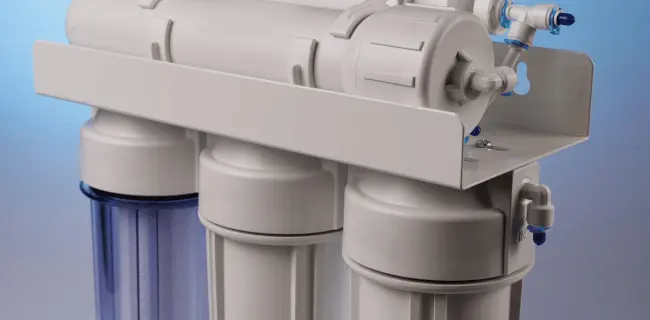
One system that consistently earns attention among homeowners is the PENTAIR Pro Elite because of its dependable performance, efficient regeneration process, and reputation for lasting many years when properly maintained. While no product is perfect for every home, reliable systems built with quality components often save money over time by reducing repairs and extending appliance life.
Small Water Problems Rarely Stay Small
One interesting thing about plumbing is that little issues tend to become bigger ones if ignored.
A slightly lower water pressure today might signal mineral buildup inside pipes. Scale inside a water heater can increase heating times. Faucets begin to clog. Showerheads spray unevenly. Before long, what seemed like a minor inconvenience starts affecting multiple parts of the house.
That’s one reason routine inspections matter. Catching problems early almost always costs less than waiting until equipment fails completely.
Think of it the same way you think about servicing your car. Preventive maintenance isn’t exciting, but it keeps expensive surprises away.
Maintenance Doesn’t Have to Be Complicated
Many people assume water treatment systems require constant attention. In reality, most modern systems are fairly straightforward.
Checking salt levels if your system uses them, replacing water conditioners filters when recommended, and scheduling occasional inspections are usually enough to keep things running smoothly.
It’s surprising how much longer equipment lasts when simple maintenance becomes part of the routine. A neglected system works harder, consumes more resources, and often develops avoidable issues.
If you’re unsure about maintenance schedules, manufacturers typically provide helpful guidelines based on household size and average water consumption.
When Repairs Make More Sense Than Replacement
Not every issue means you need an entirely new system.
Sometimes homeowners assume a water softener has reached the end of its life when the actual problem is something relatively simple—a clogged injector, worn valve, damaged seal, or programming issue.
Professional water softener repair can often restore performance at a fraction of the cost of replacing the entire unit. An experienced technician can identify whether repairs are worthwhile or whether investing in a newer system would provide better long-term value.
Being proactive usually extends equipment life and helps homeowners avoid unnecessary expenses.
Better Water Improves More Than Plumbing
The benefits of treated water often show up in unexpected ways.
Hair feels softer. Skin becomes less dry. Towels remain fluffy longer. Coffee tastes cleaner. Soap and shampoo work more effectively, so you end up using less of them.
Even washing machines and dishwashers operate more efficiently because they aren’t constantly fighting mineral buildup. Clothing tends to stay brighter, and dishes require less rewashing.
These improvements might seem small individually, but together they noticeably change everyday life.
It’s funny how quickly people get used to better water. After a few weeks, most homeowners stop thinking about it altogether—until they visit somewhere with untreated hard water and immediately notice the difference.
Investing in Water Quality Is Really an Investment in Your Home
A house depends on dozens of systems working quietly in the background, and water is one of the most important. When water quality improves, nearly everything connected to it performs better.
Rather than focusing only on solving today’s problems, it’s worth thinking about the years ahead. Well-maintained plumbing, efficient appliances, cleaner fixtures, and fewer repairs all contribute to a home that functions more smoothly.
Every household has unique water conditions, so there’s rarely a one-size-fits-all answer. But starting with proper testing, selecting reliable equipment, and keeping up with basic maintenance creates a strong foundation for cleaner, better-performing water.
In the end, good water treatment isn’t really about the equipment itself. It’s about making daily life a little easier—showers that feel better, dishes that come out sparkling, appliances that last longer, and the quiet confidence that the water flowing through your home is working for you instead of against you.